Best Teacher Embroidery Design Review
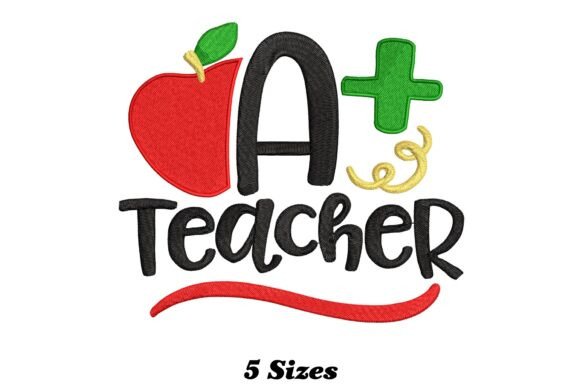
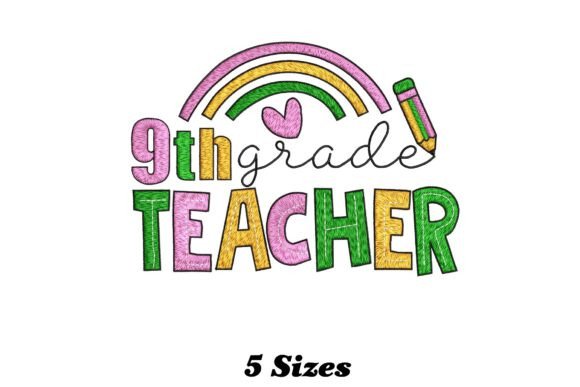
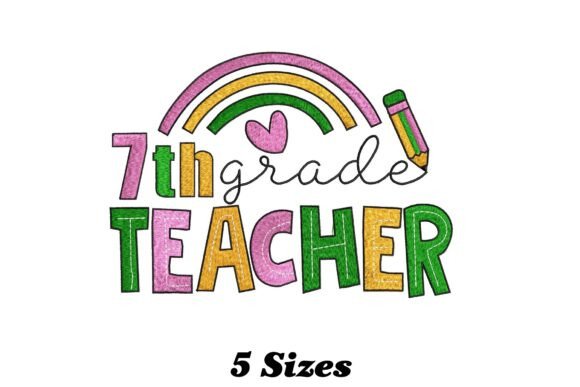
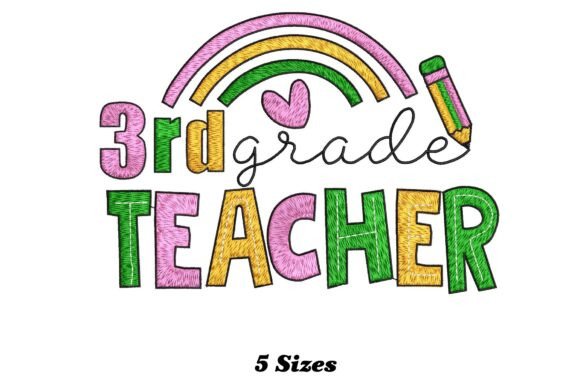
As a designer who spends more time than I care to admit staring at stitch density charts and debating the merits of various stabilizers, I approach every new embroidery file with a mix of skepticism and hope. The market is saturated with clipart-style motifs that look fine on a screen but fall apart under the needle. That is why when I encountered the Best Teacher design, I decided to put it through its paces before recommending it for any commercial or personal use. This isn’t just another generic "thank you" motif; it is a machine embroidery design that tells a specific story, and understanding how that story translates from digital vector to physical thread is crucial for anyone looking to create high-quality handmade products.
The First Impression: Mood and Visual Personality
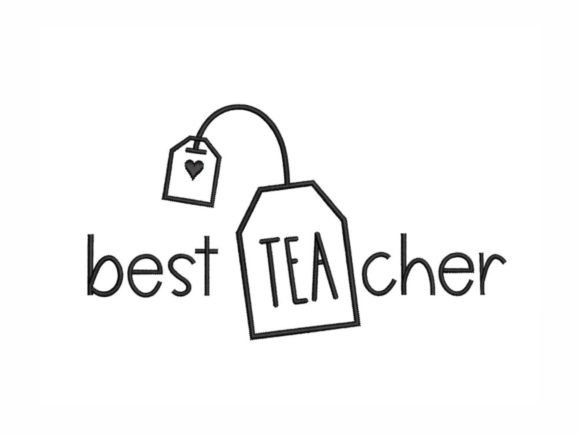
At first glance, the Best Teacher design strikes me as warm, approachable, and deeply rooted in comfort. The core concept—combining the imagery of a tea bag with a heartfelt message—is clever without being overly complex. In my experience, simplicity often wins in embroidery because it reduces the risk of mechanical errors while maximizing visual clarity. The shape feels organic, avoiding the rigid geometric structures that can make a piece look sterile or corporate.
The visual personality of this design leans heavily into the "cozy" aesthetic. It evokes the feeling of a quiet afternoon in a faculty lounge or a well-earned break after a long grading session. For designers, this mood is invaluable. It allows you to target a specific emotional response from the buyer. When a customer sees this on a finished product, they don’t just see a gift; they see an acknowledgment of the teacher’s need for rest and appreciation. This emotional resonance is what separates a disposable craft item from a cherished keepsake.
Real-World Application: From Screen to Stitch
I recently tested this design with a practical project in mind: creating a custom embroidered tote bag for a local school district’s end-of-year appreciation event. The goal was to produce a handmade product that felt premium enough to be kept long-term, rather than tossed aside like a typical promotional item. Here is how the design performed in real-life scenarios across different mediums.
Apparel and Soft Goods
When digitizing for apparel, such as a crewneck sweatshirt or a heavy cotton t-shirt, the layout of the Best Teacher design proved highly adaptable. I placed the motif on the left chest area of a heather grey sweatshirt. The contrast between the dark fabric and the lighter thread colors worked beautifully, ensuring the text remained legible. However, I had to pay close attention to the stitch density. Because the design incorporates both text and graphical elements, placing it on a stretchy knit fabric required a strong cut-away stabilizer to prevent puckering. Once stabilized correctly, the result was crisp and professional.
I also experimented with a baby onesie for a "future educator" theme. On this softer, thinner fabric, the design shrank slightly in scale, which actually added to its charm. The delicate nature of the tea bag graphic complemented the softness of the garment, making it a perfect personalized gift for a teacher expecting a child or for a baby shower gift for an education major.
Accessories and Home Decor
The versatility of this design extends beyond clothing. I applied it to a canvas tote bag design, which is a staple in any Etsy seller’s catalog. The placement on the front panel allowed the full image to breathe, and the sturdy fabric held up well to the multiple passes of the needle. Furthermore, I tested it on a linen kitchen towel. The rustic texture of the linen paired wonderfully with the cozy theme of the tea bag, creating a finished product that felt authentic and lived-in. This combination would work exceptionally well for holiday embroidery gifts, where buyers are looking for items that feel personal and thoughtful.
Where to Exercise Caution
No design is universally perfect, and there are specific contexts where the Best Teacher design requires careful handling. As a reviewer, I must highlight these potential pitfalls so you can avoid costly mistakes.
- Small Hoop Sizes: If you are working with very small hoops (under 4x4 inches), the detail level of the tea bag imagery may become muddy. The tiny curves and lines might merge together, losing their distinct shape. Always test at your smallest intended production size.
- Textured Fabrics: While linen works well, heavily textured fabrics like bouclé or thick chenille can obscure the finer details of the design. The threads may get lost in the nap of the fabric, reducing the overall impact.
- Curved Surfaces: Attempting to embroider this on a curved surface, such as a baseball cap, requires advanced technique. The flat nature of the design does not naturally conform to the curve of a hat brim, which can lead to distortion if not carefully anchored.
- Dense Stitch Areas: If the design includes significant fill stitch areas, ensure your machine is calibrated correctly. Excessive density on thin fabrics can cause perforation or tearing over time, especially in a commercial embroidery context where durability is key.
Design Notes for the Professional Maker
To get the most out of this digital embroidery file, I recommend following a strict pre-production checklist. First, always test the design on scrap fabric that matches the weight and composition of your final material. This helps you identify any tension issues or stabilizer needs before you commit to a sellable item.
Secondly, review the thread colors carefully. The success of the Best Teacher design relies heavily on the contrast between the background and the thread. I suggest testing the design in black and white mockups to ensure the silhouette remains clear even without color. This is particularly important for printable mockup creation, where customers need to visualize the final look accurately.
Additionally, inspect the small details, such as the text and the string of the tea bag. If these elements are too fine, they may require a higher resolution digitization or a larger hoop size to render clearly. Confirm whether the design uses a mix of satin stitch, fill stitch, and running stitch to achieve its texture, and adjust your machine settings accordingly. Finally, verify the licensing terms. If you plan to sell the finished product or offer it as a custom apparel service, ensure you have the right to do so commercially. Many design assets come with restrictions that could impact your craft business model.
Final Verdict on Value and Appeal
In conclusion, the Best Teacher design is a strong addition to any library of embroidery project files. It succeeds because it balances artistic appeal with technical feasibility. It creates a sense of warmth and gratitude that resonates with buyers, making it an excellent choice for small shop product listings. Whether you are creating an embroidered patch for a denim jacket, a decorative pillow cover, or a simple tea towel, this design adds a layer of professionalism and thoughtfulness that elevates the perceived value of your work.
For creative entrepreneurs and makers, the key takeaway is to respect the limitations of the medium. By choosing the right fabric, using proper stabilizers, and testing thoroughly, you can transform this digital file into a tangible object that brings joy to educators everywhere. It is a reminder that good design is not just about how something looks, but how it feels when it is held, used, and gifted. In the crowded marketplace of handmade goods, that emotional connection is your greatest asset.