Caffeinate Educate Embroidery Design Review
If you are preparing your booth for the upcoming craft fair season, you know that first impressions are everything. As an embroidery designer who has spent years judging designs not just for their aesthetic appeal but for their market viability, I look at every new digital file with a critical eye. Today, I am reviewing Caffeinate Educate, a design that promises to bridge the gap between professional pride and personal comfort. With its focus on coffee lovers and lifelong instructors, this design is positioned squarely in the heart of the teacher gift market and the broader lifestyle category. But does it hold up under the scrutiny of production? Can it stand out on a crowded table filled with handmade goods? Let us break down the practical realities of turning this embroidery concept into a profitable craft fair product.
First Impressions: Bold, Relatable, and Market-Ready
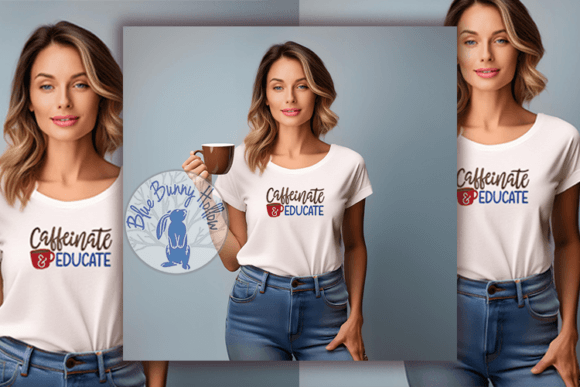
The title “Caffeinate Educate” immediately signals intent. It is punchy, humorous, and deeply relatable. For the target audience of educators, nurses, and busy parents, humor combined with utility is a winning combination. The description highlights a charming coffee cup, which suggests a design that is likely cute rather than overly serious or minimalist. In my experience, designs that combine a clear icon (the cup) with a strong verb phrase tend to perform well because they tell a story instantly.
When I imagine this design physically, I picture a vibrant, perhaps slightly rustic or modern farmhouse aesthetic. It feels energetic, matching the “essence of energizing” mentioned in the prompt. This is crucial for a handmade product because it needs to convey warmth and personality. It is not just a logo; it is a statement piece that says, “I love my job, but I need my coffee.” This emotional connection is what drives impulse buys at weekend markets.
Product Application: Where Does Caffeinate Educate Shine?
Not all products are created equal, and the success of Caffeinate Educate will depend heavily on where you place it. Here is how I see this machine embroidery design performing across various items:
- Tote Bags: This is arguably the strongest candidate. A canvas tote bag provides a large, flat surface area that allows the coffee cup graphic and the text to breathe. It serves as a walking billboard for the wearer, which increases visibility for both the user and your brand. As a tote bag design, it appeals to teachers who carry books and supplies daily.
- Aprons: The apron embroidery market is robust, especially for kitchen-focused gifts. Placing the design on the bib of a denim or linen apron creates a functional art piece. However, ensure the fabric texture of the apron does not interfere with the clarity of the small details in the coffee cup steam or handle.
- Tea Towels: Tea towel embroidery is a staple at craft fairs due to its low cost and high perceived value. Cotton tea towels absorb ink and thread well, but be mindful of fraying edges. This design works beautifully here as a smaller accent, perhaps placed near the hem or centered on a folded display.
- Embroidered Patches: Creating a standalone embroidered patch allows customers to attach the design to backpacks, laptop sleeves, or existing bags. This expands your reach beyond the item itself. Patches are excellent for upselling and for customers who prefer not to commit to a full garment.
- Caps and Hats: While popular, caps present a curved surface challenge. If the design includes small lettering, it may distort on the curve of a baseball cap. I recommend using this design on structured hats with ample space, or sticking to flatter surfaces like beanies if the hoop size permits.
- Fabric Pouches and Pillow Covers: These items offer a soft, homey feel. A zippered pouch for pens or makeup can feature the coffee cup prominently. Pillow covers add a touch of luxury to the small shop product lineup, appealing to buyers looking for home decor gifts.
Production Practicality and Visual Appeal
For any Etsy seller or boutique maker, efficiency is key. You want a design that photographs well and is easy to produce in batches. Caffeinate Educate appears to have strong visual contrast potential. The combination of dark coffee tones against lighter backgrounds (or vice versa) will pop in photos, which is essential for your online listings and social media marketing.
At a glance, the design should be legible from three feet away—a standard rule for craft fair booths. If the text is too intricate or the coffee cup details are too fine, the message gets lost. From a production standpoint, a design with clear lines and manageable color changes is easier to digitize correctly and execute quickly. This means faster turnaround times and lower labor costs per unit, directly impacting your profit margin on each finished product.
Furthermore, the theme is evergreen. Unlike holiday-specific designs that only sell in November and December, coffee-themed items sell year-round. This makes Caffeinate Educate a safe investment for your inventory. It fits seamlessly into back-to-school seasons, teacher appreciation weeks, and general winter gift-giving periods.
Careful Use Notes: Avoiding Common Pitfalls
Even the best designs can fail if executed poorly. As you prepare to turn this into a commercial embroidery line, keep these technical warnings in mind:
- Stitch Density: Check the stitch density of the design. Dense areas can cause puckering, especially on lightweight fabrics like thin cotton tees or delicate linens. If the design is heavy, use a cut-away stabilizer to provide lasting support.
- Small Details: Inspect the digitization for tiny elements. If the coffee cup features small buttons or intricate steam wisps, test them at the intended final size. Small details often get lost or look muddy when embroidered, particularly on textured fabrics like waffle weave tea towels.
- Thread Contrast: Choose your thread colors wisely. High contrast between the text and the background image ensures readability. Avoid using similar shades of brown or beige for both the coffee and the text unless the font weight is significantly different.
- Hoop Size Constraints: Confirm the required hoop size before committing to large items. Some designs require hoops that are larger than standard commercial frames, limiting your fabric choices. Ensure your machine can accommodate the design dimensions without frequent re-hooping, which adds time to production.
- Fabric Texture: Test on scrap fabric that matches the texture of your final product. Textured towels or nubby knits can hide stitches. If the fabric is too rough, the design may look fuzzy rather than crisp.
Designer’s Checklist for Success
Before you mass-produce these items for your next market, follow this practical checklist to ensure quality and compliance:
- Test Run: Always embroider the design on scrap fabric first. This helps you adjust tension and identify any threading issues early.
- Mockups: Create a realistic mockup to visualize how the design looks on the actual product. This helps in planning your booth display and creating accurate printable mockups for your online store.
- Commercial Licensing: Verify that you have the proper license to sell finished products made from this digital embroidery file. Commercial rights vary by creator, and ignoring this step can lead to legal issues.
- Design Assets: Keep your source files organized. Having access to high-quality design assets allows you to make minor adjustments, such as resizing or changing colors, to suit different customer preferences.
- Brand Consistency: Ensure the style of Caffeinate Educate aligns with your overall brand identity. If your shop focuses on elegant, minimal designs, a bold, cartoonish coffee cup might feel out of place. Consistency builds trust with repeat customers.
In conclusion, Caffeinate Educate has strong potential as a standout item in any craft fair rotation. Its relatable theme, combined with the versatility of embroidery applications, makes it a smart choice for creative entrepreneurs. By paying attention to production details and presenting it effectively, you can turn this simple design into a best-selling handmade product that resonates with coffee-loving educators everywhere.