Caterpillar with Book Embroidery Review
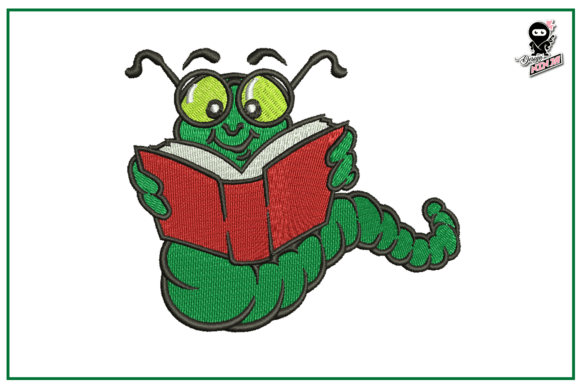
As an embroidery designer who spends more time staring at digitized stitches than sleeping, I am always on the hunt for designs that balance whimsy with commercial viability. Recently, I came across a file titled Caterpillar with Book. At first glance, it seems like a simple motif—a caterpillar reading a book—but when you look closer at how it translates to fabric, especially for a boutique sweatshirt collection, the potential is surprisingly high. This review breaks down why this design might be the missing piece in your next small-batch apparel drop.
First Impressions: Mood and Visual Personality
The title alone suggests a narrative. It isn’t just a bug; it’s a character. In the world of machine embroidery design, character-driven motifs tend to perform better than generic shapes because they invite the wearer into a story. The mood here is playful, intellectual, and cozy. It feels less like a standard school icon and more like a celebration of quiet moments, perfect for the "cozy season" or back-to-school aesthetics without being overly childish.
Visually, I imagine the layout as compact yet detailed enough to hold attention. A caterpillar holding a book implies a sense of stillness and focus. For a boutique brand, this translates to a design that feels thoughtful rather than loud. It has a decorative quality that works well as a focal point but doesn’t overwhelm the garment. It strikes a balance between cute and sophisticated, making it appealing to teenagers and young adults who appreciate subtle humor and charm.
Application on Sweatshirts and Hoodies
Let’s talk about the real test: sweatshirt embroidery. Sweaters and hoodies have a different drape and texture than t-shirts, which changes how a design sits on the body. Here is how Caterpillar with Book could work across various placements:
- Chest Placement: This is the classic spot for a hoodie design. If stitched on a neutral oatmeal or heather grey sweatshirt, the design pops with warmth. On darker fabrics like navy or charcoal, you would need high-contrast thread colors—perhaps cream or pastel yellow—to ensure the details of the book and caterpillar segments remain visible.
- Sleeve Accents: Because the motif is likely narrow (caterpillars are long and thin), it fits beautifully along the forearm. This adds a touch of personality without dominating the look, perfect for custom apparel that aims for a minimalist vibe.
- Back Designs: If the file allows for scaling, placing this on the upper back can create a striking silhouette. However, for most commercial uses, keeping it smaller on the chest or sleeve ensures better readability and reduces production costs.
I also see potential for oversized hoodies. The trend toward boxy, comfortable fits pairs well with whimsical accents. A small, precise stitch of this design on the pocket area of an oversized hoodie creates a lovely contrast between the rugged fabric texture and the delicate stitching.
Technical Considerations for Production
Before adding any embroidery file to a production run, we have to look under the hood. Here are the practical concerns every designer should evaluate:
Thread Color Contrast and Density
The success of this design hinges on thread selection. Since the subject involves a book and a caterpillar, you’ll need distinct colors to separate the pages from the body. High stitch density is crucial here. If the density is too low, the book might look like a blob; if it’s too high, the sweatshirt fabric might pucker. You want enough density to define the spine of the book and the segments of the caterpillar, but not so much that the garment becomes stiff.
Fabric Texture and Stabilizer Choice
Sweatshirt fleece is thick and forgiving, but it can shift during stitching. Using a cut-away stabilizer is non-negotiable for commercial embroidery on knits. It ensures the design stays flat and doesn’t distort after washing. Additionally, the loopiness of some fleece fabrics can hide fine details. Test your thread colors on the actual fabric swatch before committing to bulk orders. Pastel threads on light fabrics require careful tension adjustment to avoid shadowing through.
Hoop Size and Readability
Check the required hoop size. If the design is too wide, it may wrap awkwardly around curved shoulder seams. Ideally, this design should fit comfortably within a standard 4x4 or 5x7 hoop, allowing for easy placement on the chest. For small-size readability, ensure the smallest details (like text on the book cover, if present) are large enough to be distinguished by the naked eye. Tiny stitches often get lost in the fuzz of a sweater.
Brand Identity and Market Appeal
Why choose this specific design for your shop? In a saturated market of digital products, uniqueness drives sales. Caterpillar with Book offers a niche appeal that resonates with readers, students, and nature lovers. It taps into the "cottagecore" and "dark academia" aesthetics that are currently popular on platforms like TikTok and Instagram.
For an Etsy seller or small shop product owner, this design helps build a cohesive brand identity. It suggests that your brand values creativity, education, and comfort. When customers see a finished product with such a specific, charming detail, it increases perceived value. It transforms a basic sweatshirt into a statement piece.
Photography and Mockups
Visual presentation is key. When creating printable mockup images for your listings, style the sweatshirt with props that reinforce the theme: a pair of glasses, a coffee mug, or a stack of real books nearby. Lifestyle product photography that shows the design in a cozy reading nook will drive higher engagement than a plain white background shot. The design assets should be presented in a way that highlights the texture of the embroidery against the soft fabric.
Final Verdict: Is It Worth the Investment?
Overall, Caterpillar with Book feels like a strong candidate for a boutique collection. It is versatile enough for handmade product lines ranging from toddler gifts to adult loungewear. It has the visual weight to stand out on dark fabrics and the delicacy to complement lighter, pastel tones.
However, always verify the technical specs. Ensure the digital embroidery file includes all necessary formats for your machine and check the license terms to confirm you have rights for commercial use. If the stitch count is reasonable and the digitization is clean, this design can elevate your finished product significantly. It’s not just a decoration; it’s a conversation starter.
For designers looking to add a touch of whimsy to their apparel decorators catalog, this is a smart, stylish choice. It proves that even small, seemingly simple motifs can carry a lot of emotional weight when executed well. Just remember to prioritize quality control in your stitching process—the difference between a amateur job and a premium boutique item often lies in the tension and the stabilizer. Happy stitching!