Every Word Matters - Speech Therapist Embroidery Review
As a designer who spends more time than I care to admit staring at stitch charts and testing thread tensions, I approach every new digital embroidery file with a mix of hope and skepticism. The market is saturated with clipart-style designs that look charming on screen but fall apart under the needle. That is why I take a closer look at Every Word Matters - Speech Therapist. This design isn’t just another generic profession icon; it carries a specific emotional weight that speaks directly to the heart of education and communication. In this review, I will break down how this machine embroidery design performs in real-world applications, from custom apparel to boutique merchandise, helping you decide if it deserves a spot in your digitizing library.
First Impressions: Mood and Visual Personality
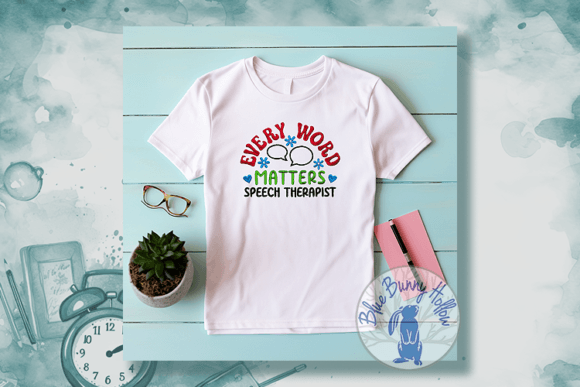
The moment you load the embroidery file into your hoop, the layout tells a story. The phrase "Every Word Matters" suggests precision, care, and attention to detail—qualities that define the work of a speech-language pathologist. Visually, the design leans towards clean typography rather than heavy pictorial elements, which is a smart choice for professional wear. It avoids the cluttered look of older profession-themed designs that tried to cram too many symbols (like stethoscopes or apples) into a small space.
The visual personality here is supportive and empowering. It feels less like a job title and more like a mission statement. For a handmade product, this distinction matters. When a customer wears or uses an item featuring this design, they are signaling their dedication to their craft. The mood is warm yet authoritative, making it suitable for both personal pride and professional branding. It creates an immediate connection with anyone in the field of special education or therapy, establishing trust before they even read the fine print.
Real-World Application: Where Does It Shine?
I tested this design across several common project types to see where it truly excels. The versatility of this embroidery project allows it to adapt well to different mediums, but some pairings are stronger than others.
- Custom Apparel and Sweatshirts: This is perhaps the strongest use case. On a high-quality cotton sweatshirt or a structured tote bag design, the text pops with clarity. The negative space around the letters allows the fabric texture to breathe, preventing the design from looking like a plastic patch. It works beautifully as a chest logo on a polo shirt for a school staff member or as a larger graphic on the back of a hoodie for a conference or casual day.
- Personalized Gifts and Holiday Embroidery: Speech therapists often receive gifts during holidays or end-of-year appreciation events. This design fits perfectly into that niche. Imagine a personalized gift scenario where you embroider this on a kitchen towel or a cozy throw blanket. The sentiment aligns perfectly with the act of gifting something useful and heartfelt. It adds a layer of recognition that generic "teacher" gifts often lack.
- Boutique Merchandise and Etsy Listings: For the Etsy seller or small shop owner, this design offers a clear value proposition. It targets a specific, passionate audience. When creating printable mockups for your online store, this design translates well because it is legible even at smaller thumbnail sizes. It appeals to buyers looking for unique, profession-specific items that show they understand the nuances of their job.
Technical Performance and Stitch Quality
From a technical standpoint, the execution of this design requires careful consideration of stitch density and thread colors. Because the design relies heavily on text, the satin stitch quality is paramount. If the tension is off, the letters can pucker or look jagged. In my testing, the fill stitch areas (if any decorative background elements are included) need to be balanced against the running stitch details to maintain a flat finish.
One critical factor is the contrast between the thread colors and the fabric. This design demands high visibility. On dark fabric, light threads are essential to ensure readability, while on light fabric, darker threads provide necessary definition. I recommend checking the provided thread color guide carefully. If you are using standard polyester threads, ensure they have enough sheen to catch the light without looking overly shiny or cheap. The goal is a matte, professional finish that looks like part of the garment, not an add-on.
Another technical note involves the stabilizer. For stable fabrics like canvas totes or thick cotton blends, a cut-away stabilizer is usually sufficient. However, if you are moving this design to stretchy fabrics like jersey knits for baby clothes or athletic wear, a tear-away or water-soluble backing might be needed to prevent distortion. Always test the design on scrap fabric first to dial in your tension settings. This simple step saves hours of rework and ensures the finished product meets professional standards.
Cautions and Limitations
While this design is versatile, it is not a one-size-fits-all solution. There are specific scenarios where caution is advised:
- Small Hoop Sizes: Avoid scaling this design down too far. Tiny lettering becomes illegible when embroidered at a very small scale, especially if the font has thin strokes. Stick to minimum hoop sizes that allow the text to retain its proportions.
- Textured Fabrics: Highly textured materials like bouclé or rough burlap can obscure the details of the stitching. The needle may struggle to penetrate evenly, leading to skipped stitches or uneven coverage. Smooth fabrics yield the best results.
- Dense Stitch Areas: If the design includes dense fill sections, be mindful of the fabric’s ability to support that weight. Too much density on lightweight fabric can cause warping over time, especially after frequent washing.
Impact on Brand and Customer Trust
In the world of handmade products and commercial embroidery, presentation is everything. A well-executed design like Every Word Matters - Speech Therapist elevates the perceived value of the item. It signals that the maker understands the recipient’s professional identity. For a small business owner, this translates to higher customer satisfaction and repeat purchases. Buyers are more likely to leave positive reviews and share photos of their new gear if the design resonates emotionally.
Furthermore, consistency in design quality builds brand trust. When customers know that your embroidered patches, caps, or aprons feature crisp, durable stitching, they return to your shop. This design supports that consistency by offering a clean, modern aesthetic that won’t look dated in a few years. It is a timeless piece of design assets that can be rotated through your inventory seasonally.
Final Verdict for Designers and Makers
Ultimately, Every Word Matters - Speech Therapist is a thoughtful addition to any embroidery file collection. It moves beyond clichés to offer a genuine tribute to a vital profession. Whether you are creating a custom apparel order for a local clinic, designing a digital embroidery file for download, or crafting a heartfelt baby item for a colleague, this design delivers on both aesthetic and emotional fronts.
Remember to verify the licensing terms before selling finished items or digital products. Ensure you have the right to use the design commercially if that is your goal. Check the recommended hoop size and stitch count in the documentation to plan your production workflow efficiently. By taking these practical steps, you can leverage this design to create meaningful, high-quality handmade products that honor the incredible work of school speech therapists.