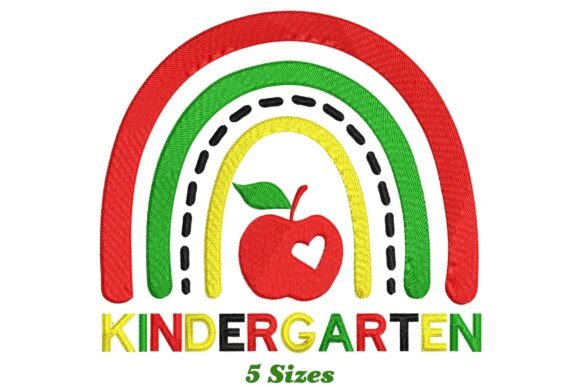
Kindergarten Rainbow Embroidery Review
As an experienced embroidery designer who has spent years translating digital concepts into tangible textile assets, I approach every new design file with a critical eye. My goal is never just aesthetic appeal; it is about commercial viability, durability, and brand alignment. Today, I am reviewing the Kindergarten Rainbow machine embroidery design. The product description promises to "spruce up your fabrics" with a "fun and whimsical touch," suggesting this piece is intended for t-shirts, towels, or home decor. However, for small business owners, Etsy sellers, and apparel decorators, the true value of a design lies in its versatility across branded merchandise.
This review evaluates how Kindergarten Rainbow performs as a core asset for custom apparel, embroidered patches, and boutique merch. We will look at its visual personality, its suitability for various applications like aprons and caps, and the practical technical considerations required before moving to production.
First Impressions: Visual Personality and Brand Alignment
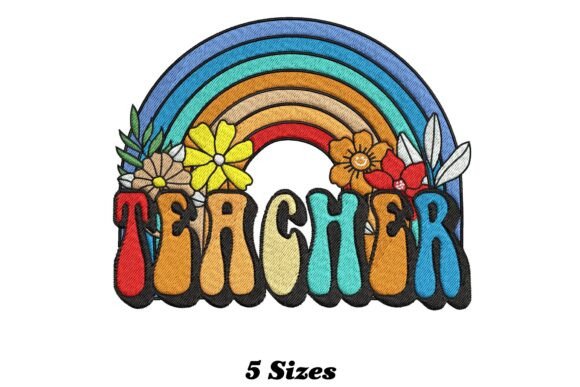
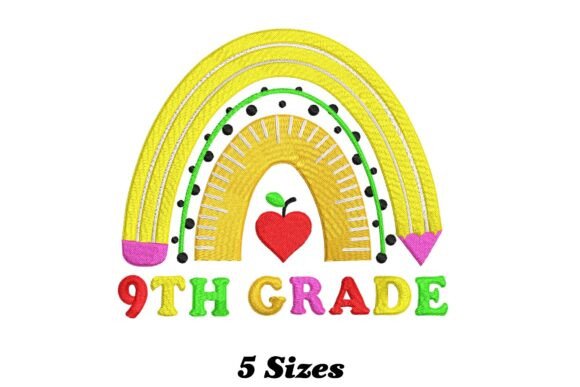
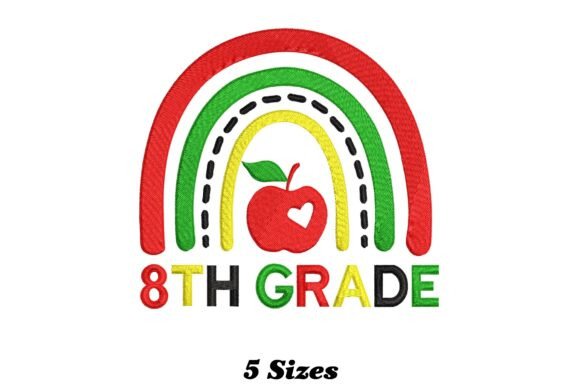
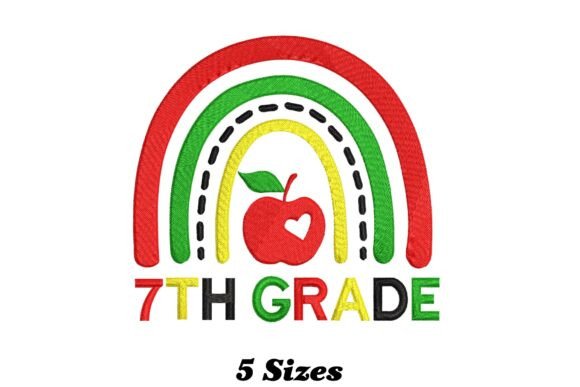
When analyzing the Kindergarten Rainbow design, the immediate takeaway is its inherent friendliness. In the world of branding, few things communicate approachability faster than rainbow motifs combined with playful typography or shapes. This design does not feel rigid or corporate; instead, it leans heavily into a handmade, cheerful aesthetic. For brands targeting families, educational institutions, or creative communities, this visual language is powerful.
The "whimsical" nature mentioned in the description suggests that the stitch work likely prioritizes charm over strict geometric precision. This makes it an excellent choice for handmade products where a slight organic feel adds value. It feels premium in its warmth but remains accessible. Whether you are running a local bakery, a children’s clothing line, or a craft studio, this design supports a brand identity built on joy, creativity, and inclusivity. It avoids being overly decorative to the point of clutter, which is crucial for maintaining a professional look on smaller items.
Real-World Business Applications
A design is only as good as its application. Here is how Kindergarten Rainbow translates into real-world small business merch scenarios:
- Embroidered Patches: This design has strong potential as a standalone patch. Its self-contained composition likely allows it to be stitched onto iron-on or sew-on backing without needing excessive negative space. These patches can be used as badges on denim jackets, backpacks, or client appreciation gifts, adding a tactile element to brand identity.
- Apron Embroidery: For cafes, bakeries, or florists, staff uniforms are walking billboards. Placing Kindergarten Rainbow on the chest pocket or lower hem of an apron creates a memorable customer experience. The bright colors pop against standard white or navy aprons, enhancing customer trust through visible attention to detail.
- Tote Bag Design: Tote bags are essential for craft fairs and retail shops. This design works beautifully centered on canvas totes or placed off-center for a more modern, artsy vibe. It reinforces the handmade product narrative that shoppers look for when supporting local businesses.
- Cap Embroidery: If the design elements are compact enough, this could serve as a front-panel logo for snapbacks or baseball caps. A rainbow motif on a cap instantly signals a youthful, energetic brand voice, perfect for event merch or promotional giveaways.
- Product Packaging Accents: Beyond apparel, consider using this design on fabric tags attached to goods. It elevates the unboxing experience, making customers feel that the finished product was crafted with care.
Strategic Placement and Cautionary Zones
While Kindergarten Rainbow is charming, an experienced designer knows that not all placements are created equal. To maintain high standards for commercial embroidery, you must evaluate where this design fits best and where it might fail.
Small Patch Sizes: If you plan to digitize this as a tiny patch (under 2 inches), you must scrutinize the fine details. Small stitches can merge together, causing loss of definition. Always create a printable mockup at actual size to ensure the rainbow arcs and any accompanying text remain legible.
Curved Surfaces: Applying this to the front of a curved cap or a rounded shoulder requires careful hooping. If the fabric distorts during stitching, the symmetry of the rainbow may warp, undermining the professionalism of the final item. Test on scrap fabric that mimics the curvature of your target garment.
Fabric Texture and Color: The description mentions "sprucing up fabrics," implying versatility. However, textured fabrics like heavy bouclé or loose-weave linen can distort delicate stitches. Additionally, thread color contrast is vital. On dark uniforms, you will need a dense underlay or light-colored stabilizer to prevent show-through, which can ruin the clean lines of the design.
High Stitch Density Areas: If the design features thick fills, be cautious on items that require frequent washing. Excessive density can make fabric stiff and prone to puckering after multiple wash cycles. Ensure the design balances fill stitches with adequate run stitches for flexibility.
Impact on Brand Identity and Customer Engagement
Choosing the right digital embroidery file directly influences how customers perceive your business. Kindergarten Rainbow contributes to a brand identity that is open, welcoming, and creative. In a market saturated with minimalist or corporate aesthetics, this design offers a refreshing alternative that stands out.
It enhances visual consistency if used across multiple touchpoints—matching your website graphics, social media icons, and physical products. When a customer sees this cohesive use of design assets, it builds recognition. Furthermore, the "fun" aspect drives engagement. People are drawn to designs that evoke positive emotions, increasing the likelihood of social media shares and word-of-mouth referrals for your custom apparel or shop.
Practical Designer Notes for Production
Before committing to bulk production, follow these essential steps to ensure quality control:
- Test in Black and White: Convert the design to grayscale to check contrast levels. This helps identify areas where stitch density might be too low or too high relative to the background fabric.
- Check Hoop Size Constraints: Verify the maximum dimensions of the design. Ensure it fits within your machine’s hoop limits while allowing for necessary margins.
- Select Proper Stabilizer: The choice of stabilizer (cut-away vs. tear-away) depends on the fabric. Stretchy knits require cut-away stabilizers to prevent distortion, while woven cottons may tolerate tear-away options.
- Review Thread Color Contrast: Choose thread colors that complement the rainbow palette without clashing. High contrast ensures the design pops, while low contrast can make it look muddy.
- Inspect Spacing and Registration: Look closely at the spacing between different colored sections. Poor registration can lead to gaps or overlaps that detract from the embroidered patch quality.
- Confirm Commercial Licensing: Most importantly, verify the licensing terms of the Kindergarten Rainbow file. Ensure you have the right to sell physical products made with this design. Do not assume rights based on the purchase alone.
- Create a Client Mockup: Before producing large quantities, stitch a sample on the actual material intended for sale. This step catches errors in tension, fabric behavior, or design scale that digital previews miss.
In conclusion, Kindergarten Rainbow is a versatile and emotionally resonant addition to any embroiderer’s library. By carefully considering its placement, fabric compatibility, and licensing, small business owners can leverage this design to create high-quality, branded merchandise that connects with customers on a personal level. It transforms simple items like totes and aprons into memorable expressions of brand personality.