Minnie Font Numbers: A Designer’s Review for Real Embroidery Projects
When I sit down to evaluate a new embroidery design, I am rarely looking for just another pretty picture. As a designer who regularly produces custom apparel, boutique merchandise, and personalized gifts, my primary concern is always practicality. Does this design hold up in the hoop? Will it translate well from screen to fabric? And most importantly, will the end customer feel that they received a high-quality, professional product?
This is where Minnie Font Numbers catches my attention. Marketed under the School category and classified as an Embroidery font, this digital asset promises to help creators personalize their work with names, dates, or quotes. But does it deliver on that promise when the needle starts moving? In this review, I will break down how Minnie Font Numbers performs in real-world scenarios, from Etsy listings to craft fair booths, and offer honest advice on where it shines and where you might want to proceed with caution.
First Impressions: Mood and Visual Personality
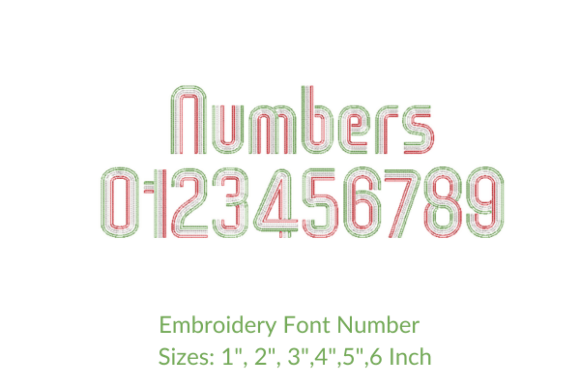
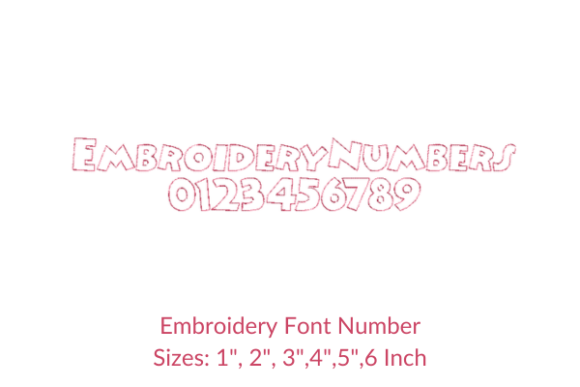
The moment you load Minnie Font Numbers into your digitizing software, the personality of the typeface becomes clear. It exudes a playful, nostalgic energy. The shapes are rounded, approachable, and distinctly youthful. This is not a font designed for corporate branding or minimalist luxury; it is built for joy, creativity, and personal connection.
For designers creating handmade products, this visual language is powerful. It naturally suggests themes of childhood, learning, and celebration. When I imagine using this font, I do not picture a sleek modern logo. Instead, I see a cozy nursery scene, a vibrant classroom decoration, or a heartfelt gift for a child’s milestone. The design feels inviting, which is crucial for driving engagement in markets like baby items, school supplies, and holiday gifts.
The aesthetic fits seamlessly into the world of machine embroidery design because it balances character with readability. It has enough detail to look custom-made, yet enough simplicity to stitch cleanly on various fabrics. This balance is rare in decorative fonts, making Minnie Font Numbers a versatile tool for any creative entrepreneur.
Real-World Application: Where This Design Thrives
To truly understand the value of an embroidery file, we must look at how it functions in specific projects. Based on my experience testing similar assets, Minnie Font Numbers excels in environments where warmth and personalization are key.
- Baby and Nursery Decor: One of the strongest use cases for this font is in baby clothing and nursery accessories. Imagine a soft cotton onesie embroidered with a baby’s name and birth date in Minnie Font Numbers. The rounded letters complement the softness of the garment, creating a cohesive and adorable personalized gift. Similarly, on a quilted blanket or a crib bumper, the font adds a touch of whimsy without overwhelming the design.
- School and Educational Merchandise: Given its categorization, this font is ideal for back-to-school projects. Think of embroidered patches for backpacks, labels for lunchboxes, or motivational quotes on tote bags for students. The playful nature of the letters resonates with children and parents alike, making it a smart choice for Etsy sellers targeting the education market.
- Holiday and Seasonal Gifts: During the holidays, people love giving items that feel special and unique. Using Minnie Font Numbers to embroider names on kitchen towels, aprons, or pillow covers can elevate a simple household item into a cherished keepsake. The font’s cheerful vibe aligns perfectly with festive occasions, adding a layer of emotional value to the finished product.
- Custom Apparel and Accessories: For small business owners, versatility is money. This font works beautifully on sweatshirts, t-shirts, and caps. Whether you are creating team uniforms for a youth sports league or custom hats for a birthday party, Minnie Font Numbers provides a fun, recognizable style that stands out. It also pairs well with other elements, such as applique designs or decorative borders, allowing you to create complex, layered embroidery project compositions.
Technical Performance and Stitch Quality
From a technical standpoint, the success of any font depends on its stitch density and clarity. Minnie Font Numbers appears to be designed with machine embroidery in mind, utilizing a mix of satin stitches for outlines and fill stitches for solid areas. This combination helps maintain the shape of each letter while ensuring durability through multiple washes.
However, the effectiveness of these stitches relies heavily on your setup. The font’s playful curves require smooth, consistent stitching to avoid puckering. When digitizing or editing the design, pay close attention to the stitch density. If the stitches are too dense, the fabric may pucker, especially on lightweight materials. If they are too sparse, the letters may lose their definition. Testing on scrap fabric is essential to find the sweet spot.
Another critical factor is thread color contrast. Because the font has a distinct personality, choosing the right thread colors can enhance its impact. Bright, bold threads will emphasize the playful mood, while pastel shades will soften it for more delicate projects. Experimenting with different thread colors allows you to adapt the same design to various aesthetics, from vibrant and energetic to soft and serene.
Where to Use Caution
No single design is perfect for every situation. While Minnie Font Numbers is charming, there are specific contexts where it may not perform as well.
- Small Hoop Sizes: Due to the detailed nature of the letters, very small sizes may result in lost details. If you are working with tiny embellishments or micro-labels, test the design at the smallest intended size first. You may need to simplify the design or increase the spacing between letters to ensure clarity.
- Textured or Stretchy Fabrics: Embroidering on textured fabrics like terry cloth or highly stretchy knits can be challenging. The font’s curves may distort if the fabric stretches during stitching. Always use a proper stabilizer to support the fabric and prevent shifting. For stretchy materials, a cut-away stabilizer is often recommended to provide long-term stability.
- Dense Stitch Areas: If you plan to combine Minnie Font Numbers with other dense designs, be mindful of the overall bulk. Too much embroidery in one area can make the garment stiff and uncomfortable. Balance the font with lighter elements, such as running stitch accents or negative space, to maintain comfort and wearability.
- Curved Surfaces: Embroidering directly onto curved surfaces like caps or sleeves requires careful hooping and tension adjustment. The font’s rounded shapes may not follow the curve as gracefully as straight lines. Consider flattening the design or adjusting the placement to minimize distortion.
Final Verdict: A Valuable Asset for Creative Entrepreneurs
Overall, Minnie Font Numbers is a strong addition to any designer’s library. It offers a unique blend of playfulness and professionalism, making it suitable for a wide range of handmade products and custom apparel. Its ability to convey warmth and personalization makes it particularly effective in markets like baby items, school supplies, and holiday gifts.
For Etsy sellers, small shop owners, and craft business operators, this font provides a reliable way to create high-value, personalized items that customers love. By paying attention to technical details like stitch density, stabilizer choice, and fabric compatibility, you can ensure that your finished products look as good as they feel.
Before incorporating Minnie Font Numbers into your commercial workflow, remember to check the licensing terms to confirm whether you can sell finished items. Additionally, always test the design on your specific fabric and machine settings to achieve the best results. With careful execution, this embroidery file can become a staple in your design assets, helping you create memorable, professional-grade embroidery projects that stand out in a crowded market.