Review: 1st Grade Rainbow Embroidery Design
As a designer who spends half the day digitizing and the other half stitching, I don’t just look at an embroidery file; I look at its potential in the real world. When I first pulled up the 1st Grade Rainbow design, my immediate reaction was one of warmth. It isn’t trying to be high-fashion or avant-garde. Instead, it feels like a breath of fresh air—a playful, whimsical touch that screams approachability. For anyone running a small shop, selling on Etsy, or creating custom apparel for clients, understanding the "vibe" of a design is just as important as the stitch count. This piece fits squarely into the School category, but its appeal stretches far beyond the classroom.
The First Impression: Charm Over Complexity
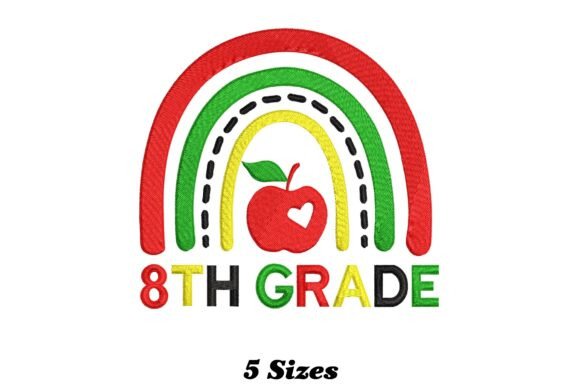
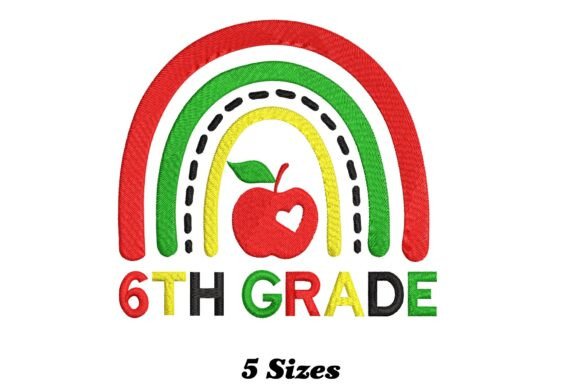
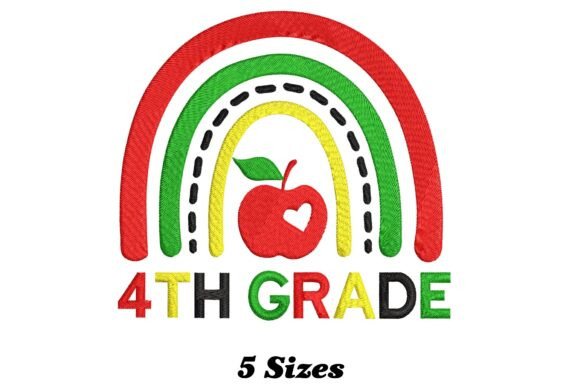
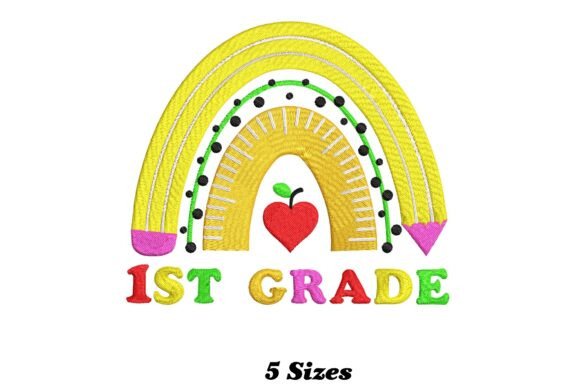
What strikes me first about 1st Grade Rainbow is its visual personality. It’s not dense with intricate details that might get lost in a busy fabric texture. Instead, it relies on clean shapes and a cheerful theme. The mood is undeniably positive. In a market saturated with complex floral arrangements or overly serious typography, this design stands out because it is simple, happy, and instantly recognizable. It creates a sense of nostalgia and comfort, which are powerful drivers for handmade products.
From a design perspective, the layout feels balanced. It doesn’t overwhelm the eye, which makes it versatile. You can place it on a large surface without it looking cluttered, or zoom in on specific elements if you are creating a more subtle accent. The whimsical nature of the rainbow motif suggests that this machine embroidery design is meant to bring joy. It’s the kind of design that makes a customer smile when they see it, which is exactly what you want for a finished product.
Real-World Application: Where Does It Shine?
Let’s talk about how this translates to actual projects. I recently imagined using 1st Grade Rainbow for a batch of custom tote bags intended for a local elementary school back-to-school event. The idea was to create a affordable, cheerful gift for students. Here is why that scenario works so well:
- Tote Bags: Canvas totes are a staple for craft businesses. A bright, playful design like this adds character without requiring expensive materials. It turns a basic accessory into a memorable keepsake.
- Sweatshirts and T-Shirts: For parents buying personalized gifts for their kids, a rainbow motif on a sweatshirt is timeless. It works for birthdays, holidays, or just everyday wear. The design’s simplicity ensures it won’t look dated quickly.
- Baby Items: Think onesies, burp cloths, or nursery wall hangings. The soft, friendly aesthetic fits perfectly in a baby’s room. It’s gentle enough for infants but fun enough for toddlers.
- Kitchen Towels and Aprons: Adding a touch of whimsy to kitchen linens is a great way to boost perceived value. A tea towel with this design feels like a thoughtful housewarming gift.
- Embroidered Patches: If you sell patches for denim jackets or backpacks, this design offers a clear focal point that looks great even on smaller surfaces.
I also considered using this for holiday embroidery projects, particularly around Christmas or New Year’s, where colors and cheer are in high demand. The versatility of the design allows it to cross over into different seasons, making it a valuable asset for digital product sellers who want to offer year-round items.
Practical Considerations and Potential Pitfalls
While the design is charming, no embroidery file is perfect for every situation. As an experienced reviewer, I have to point out where 1st Grade Rainbow might face challenges. Understanding these limitations will save you time, thread, and unhappy customers.
First, consider the hoop size. If the design is relatively large, it may not fit well on small items like caps or hats unless you are using a specialized cap frame. Curved surfaces can distort straight lines or arcs, so always test the placement carefully. Similarly, if you are working with thin fabrics, such as lightweight cotton or synthetic blends, the design might pucker if the stabilizer isn’t chosen correctly. Always use a proper stabilizer that matches the weight and stretch of your fabric.
Another area to watch is stitch density. While the description highlights a playful touch, I haven’t seen the exact technical specs here. If the fill stitches are too dense, the fabric may become stiff, especially on baby clothes or delicate apparel. Conversely, if the details are too fine, they might disappear on textured fabrics like fleece or terry cloth. Before committing to a production run, test the design on scrap fabric to check how the thread colors interact with your specific material.
Dark fabrics present another challenge. Rainbows rely on contrast. On a black or navy background, lighter pastel threads might lack visibility. You may need to add a backing or choose higher-contrast thread colors to ensure the design pops. Also, be mindful of the design’s position on garments. Placing it near seams or curved areas like shoulders can cause distortion during the stitching process.
Designer Notes for Professional Results
To get the most out of this embroidery file, follow these practical steps:
- Test on Scrap Fabric: Never stitch directly onto your final product without a test run. This helps you identify any tension issues or color mismatches.
- Check Thread Contrast: Ensure the thread colors stand out against your fabric. Use a black-and-white mockup to verify readability and impact.
- Inspect Small Details: Zoom in on the digital preview. Are there tiny elements that might get lost? If so, consider simplifying the design or adjusting the scale.
- Confirm Licensing: If you plan to sell finished items, double-check the license terms. Some designs are for personal use only, while others allow commercial sales. Clarify this before listing your handmade product on Etsy or your own website.
- Use Quality Stabilizer: The right stabilizer prevents puckering and ensures the finished product looks professional. Wash tests are also recommended to ensure the embroidery holds up to laundering.
Final Verdict: A Versatile Asset for Creative Entrepreneurs
1st Grade Rainbow is a solid choice for designers looking to add a touch of whimsy to their collections. It’s not just a pretty picture; it’s a functional tool for building brand consistency and engaging customers. Whether you are creating custom apparel, personalized gifts, or small shop products, this design offers a reliable way to connect with buyers on an emotional level.
The key to success lies in execution. By paying attention to fabric choice, stabilizer selection, and thread contrast, you can transform this simple design into a high-quality embroidery project that customers love. It’s the kind of design that encourages repeat business because it feels personal, thoughtful, and professionally made. For any Etsy seller or craft business owner looking to expand their range with items that appeal to families, schools, or anyone who appreciates a bit of charm, 1st Grade Rainbow is definitely worth adding to your library of design assets.
In summary, this design succeeds because it is unpretentious and joyful. It doesn’t try to be something it’s not. And in a world of complicated, over-designed products, that simplicity is its greatest strength. Stitch it well, place it wisely, and watch your customers appreciate the care you’ve put into their finished product.