5th Grade Rainbow: A Designer’s Review
When I pull a new design file into my digitizing software, I am rarely looking for just another graphic to stitch. As someone who has spent years producing custom apparel and handmade goods for clients, I am looking for viability. Does this design hold up under the hoop? Will it translate well to different fabrics? Does it have the visual weight to justify the time and labor involved in production? Today, I am putting 5th Grade Rainbow through that same practical scrutiny. This is not just about whether the file opens correctly; it is about how this machine embroidery design functions as a commercial asset or a personal project.
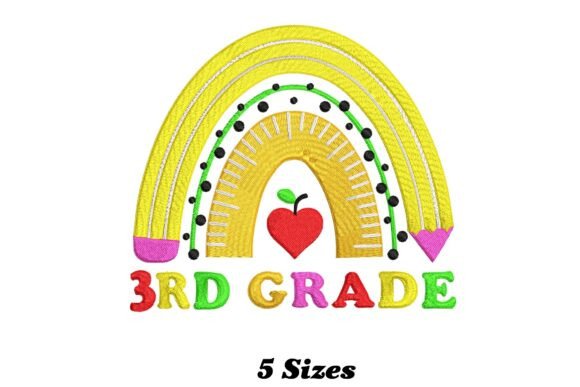
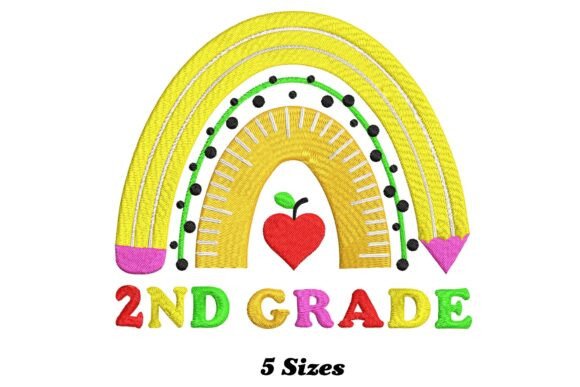
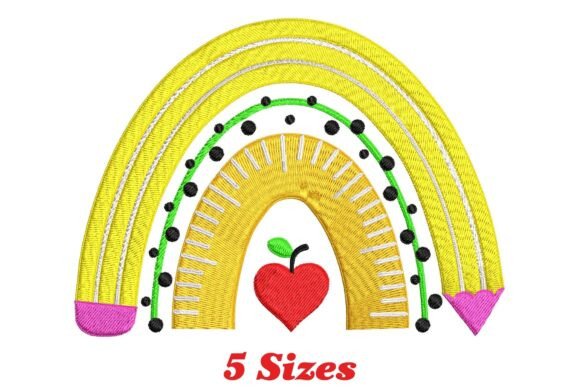
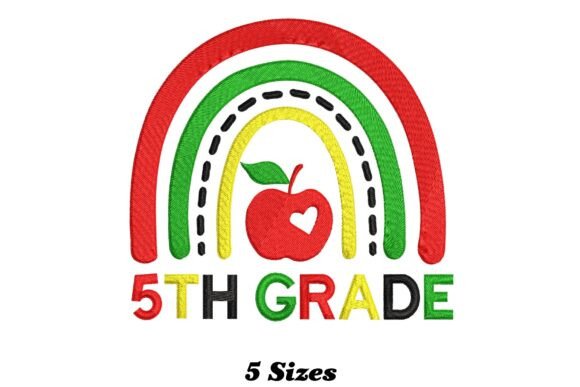
The initial impression of 5th Grade Rainbow is one of immediate charm. The title suggests a nostalgic, playful energy, and visually, the design delivers on that promise. It feels whimsical without being cluttered, which is a delicate balance in digital embroidery. For an embroidery product in the School category, it strikes a chord that appeals to parents, teachers, and students alike. But does it work beyond the classroom context? That is where the real value lies.
Visual Personality and First Impressions
The mood of this design is light, cheerful, and accessible. In the world of custom apparel, personality is everything. A design that feels too rigid can look corporate, while one that is too loose can look unfinished. 5th Grade Rainbow sits comfortably in the middle—it is structured enough to look professional but fun enough to feel like a genuine gift. When you see the layout, the shapes likely flow in a way that guides the eye, creating a sense of movement even in a static image. This dynamic quality is crucial for handmade products because it adds perceived value. Customers are more likely to engage with a finished product that feels alive rather than flat.
From a designer’s perspective, the visual appeal is strong. The rainbow motif is a classic, but the execution here matters. If the colors are vibrant and the spacing is intentional, it creates a high-contrast focal point. This is particularly important for Etsy sellers and small shop owners who rely on thumbnails to grab attention. A design that pops in a small preview window is half the battle won. The whimsical touch mentioned in the description translates to a friendly aesthetic that works beautifully for personalized gifts, suggesting that the recipient is special and cared for.
Real-World Application: From Tote Bags to Nursery Decor
Let’s talk about where this design actually lives. I often think about 5th Grade Rainbow when preparing inventory for craft fairs or updating an online boutique. One scenario that stands out is creating a set of matching items for a back-to-school event. Imagine a sturdy canvas tote bag design featuring this rainbow prominently on the front pocket. The durability of the tote fabric complements the playful nature of the design, making it a practical yet stylish accessory for students. The contrast between the rugged texture of the canvas and the smooth threads of the embroidery creates a tactile experience that buyers love.
Another strong use case is in home decor. A kitchen towel or tea towel embroidered with this design brings a burst of color to a neutral space. Because towels are frequently washed, the stability of the stitches becomes a major factor. If the design uses efficient stitch paths, it will survive countless laundry cycles without pilling or distorting. Similarly, placing this design on a pillow cover for a child’s room or nursery adds a soft, comforting element. The School theme fits naturally here, bridging the gap between educational spaces and cozy living areas.
For apparel decorators, this design shines on sweatshirts and t-shirts. A cropped hoodie with the rainbow centered on the chest offers a trendy, youthful look. Alternatively, a smaller placement on the left chest of a polo shirt can serve as a subtle brand identifier for a daycare or elementary school uniform. The versatility of the embroidery file allows it to adapt to various garment types, from heavy denim jackets to lightweight cotton tees. This flexibility is key for commercial embroidery businesses that need to maximize their design library.
Technical Considerations and Fabric Challenges
No design is perfect for every surface, and 5th Grade Rainbow is no exception. As a reviewer, I must highlight where caution is needed. Textured fabrics, such as thick fleece or boucle wool, can obscure fine details. If the rainbow includes thin lines or tiny accents, they may get lost in the nap of the fabric. In these cases, I recommend using a smoother backing fabric or a higher thread count material to ensure clarity.
Stretchy fabrics present another challenge. Knits, especially those used in baby clothes or fitted hats, require careful stabilizer selection. Without proper support, the tension of the stitch density can cause puckering, ruining the clean lines of the rainbow. Always test on scrap fabric first. Check the hoop size compatibility to ensure the design fits your available frames, and inspect the corners of the design for any potential thread breaks. Dense stitch areas should be reviewed to prevent bulkiness, particularly on garments that will be worn close to the skin.
Dark fabrics also require strategic planning. While the rainbow itself is colorful, the background might need a contrasting base or a specific thread choice to maintain visibility. Testing the design in black and white mockups can help you assess the contrast levels before committing to expensive threads. This step saves money and prevents customer dissatisfaction due to poor visibility.
Stitch Quality and Detailing
The integrity of the stitching defines the professionalism of the final piece. Look closely at how the design handles transitions between colors. Smooth satin stitches along the edges of the rainbow arcs will give a polished look, while fill stitches inside provide texture. Running stitches, if used for outlines or details, should be spaced appropriately to avoid gaps. As a designer, I pay attention to these micro-details because they signal quality to the end user. A well-executed applique design or layered embroidery technique can elevate 5th Grade Rainbow from a simple graphic to a premium product.
Business Value and Customer Trust
For digital product sellers and craft business owners, the right design can drive engagement. 5th Grade Rainbow has broad appeal, making it suitable for a wide range of marketing angles. You can position it as a perfect holiday gift, a teacher appreciation present, or a staple for a child’s wardrobe. The emotional connection triggered by the rainbow imagery fosters trust and recognition. Buyers associate the cheerful design with positivity, which enhances their perception of your brand.
When listing this as a small shop product, consider offering multiple variations. Show the design on different colored backgrounds, paired with different thread colors, or applied to various items. Printable mockups are invaluable here, allowing customers to visualize the finished product in their own homes. This transparency reduces return rates and increases confidence in the purchase.
Practical Designer Notes
- Test First: Never assume a design will work perfectly on the first try. Run it on scrap fabric to check for tension issues and thread breaks.
- Check Licensing: Before selling finished items or using the digital embroidery file in commercial projects, confirm the license terms. Ensure you have the rights to produce and sell merchandise featuring 5th Grade Rainbow.
- Thread Selection: Choose high-quality threads that match the vibrancy of the design. Cheap threads can dull the appearance of the rainbow and lead to customer complaints.
- Stabilizer Choice: Use the appropriate stabilizer for each fabric type. Cut-away stabilizers are generally better for stretchy fabrics, while tear-away works well for wovens.
- Contrast Testing: Evaluate the design against both light and dark backgrounds to ensure it remains legible and attractive in all contexts.
In conclusion, 5th Grade Rainbow is a versatile, charming addition to any embroidery library. Its playful aesthetic and practical applicability make it a strong candidate for both personal projects and commercial ventures. By paying attention to fabric choices, stitch quality, and licensing, you can transform this design into a standout embroidery project that delights customers and builds your reputation as a thoughtful creator.