Delightful 3rd Grade Rainbow: A Designer’s Real-World Review
As a designer who spends more time than I care to admit staring at stitch lines and fabric grain, I don’t just look at an embroidery file; I look at how it will behave under the needle. When I first encountered the Delightful 3rd Grade Rainbow, my initial reaction wasn’t about the colors, but about the potential. It screams nostalgia. It feels like a project that belongs in a boutique gift shop or a personalized nursery collection rather than a mass-produced discount bin. But does it hold up when you actually load it into the hoop? Let’s dig into the practical realities of using this design for real projects.
First Impressions and Visual Personality
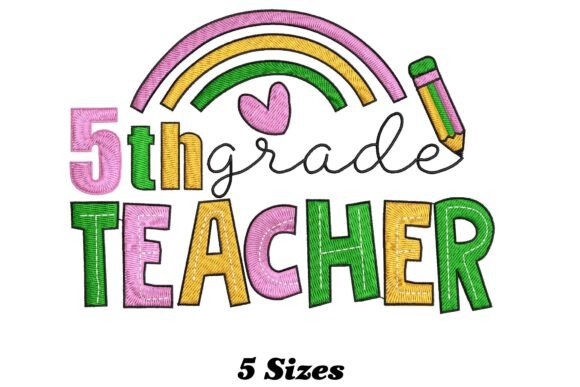
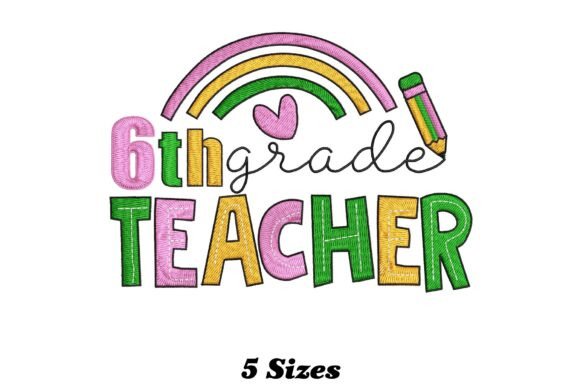
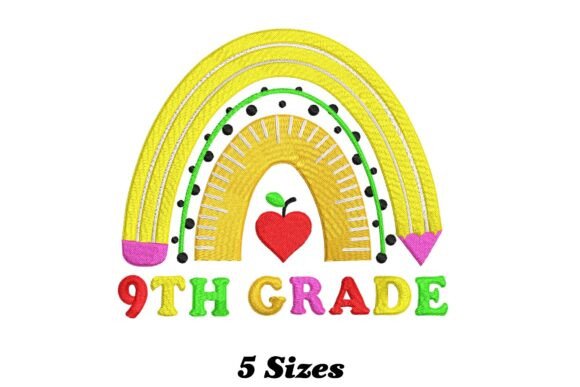
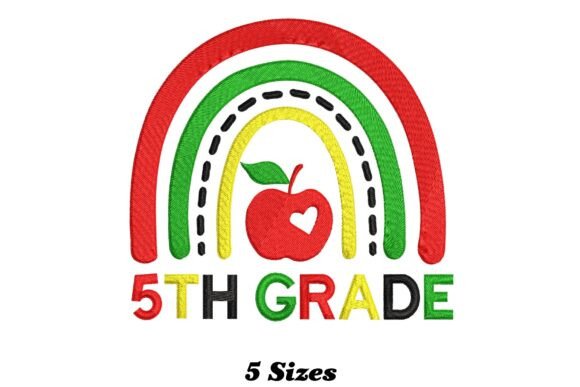
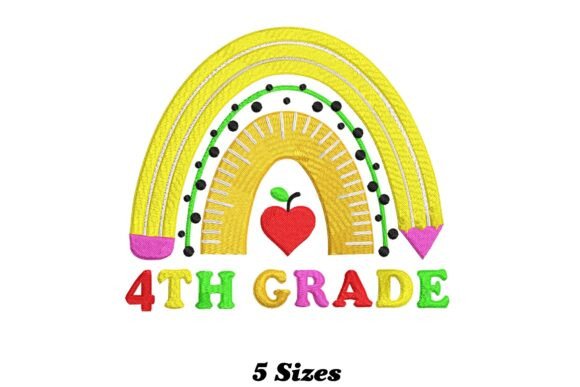
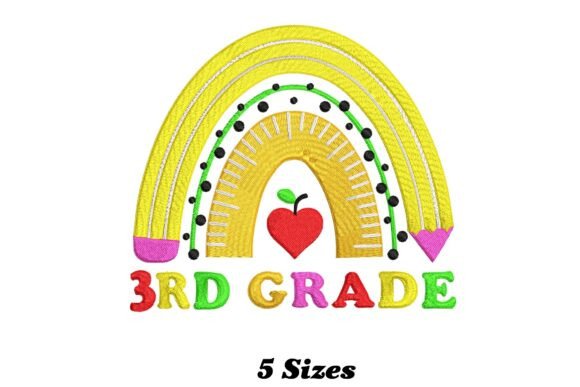
The mood of the Delightful 3rd Grade Rainbow is undeniably playful. It captures that specific whimsical energy of early elementary school days—bright, unpretentious, and cheerful. From a design perspective, the layout is balanced enough to work on a variety of garments without feeling cluttered. It doesn’t rely on tiny, intricate details that might get lost in a dense fill stitch. Instead, it leans into bold shapes and clear lines, which is exactly what you want when you’re aiming for high visual impact on a finished product.
This isn’t a subtle design. It’s meant to be seen. That makes it perfect for items where you want the embroidery to be the focal point. Whether you are creating a custom apparel piece for a back-to-school event or a sweet baby item, this design brings immediate charm. The visual personality suggests it works best when paired with clean backgrounds, allowing the rainbow motif to pop without competition from busy patterns on the base fabric.
Real-Life Application: The Tote Bag Test
Let’s talk about a scenario I encounter often: preparing a batch of custom embroidered tote bags for a local craft fair or an Etsy listing. You have a canvas bag, and you need something that looks professional but also feels handmade and heartfelt. I ran the Delightful 3rd Grade Rainbow through my mental workflow for this exact use case.
On a natural canvas tote, this design shines. The sturdy fabric can handle the tension required for a stable stitch-out. Because the design likely utilizes a mix of satin stitch for outlines and fill stitch for the color blocks, it adds texture and depth to the bag. Customers love tactile elements; they want to run their fingers over the embroidery. This design provides that satisfying dimensionality. It elevates a simple $5 tote into a $20+ boutique item. The "school" theme ties it perfectly to seasonal trends, making it highly marketable during August and September rushes.
However, consider the placement. If you center this on a large tote, it commands attention. If you place it off-center near the strap, it creates a more casual, asymmetrical look. Both work, but the former feels more intentional for a premium handmade product.
Performance on Different Fabrics and Garments
Not all fabrics play nice with every design. Here is how the Delightful 3rd Grade Rainbow might perform across different mediums:
- Sweatshirts and Hoodies: This is a strong candidate. The plush texture of fleece or cotton blends complements the whimsical nature of the rainbow. Just ensure you use a cut-away stabilizer to prevent the heavy fabric from warping during stitching. The contrast between the soft fabric and the structured stitches will look fantastic.
- T-Shirts: For light-colored tees, this design works well as a chest pocket print or a small left-chest logo. On darker tees, you’ll need to evaluate the thread colors carefully. If the design relies on light pastels, they might get lost against navy or black unless you add a backing stabilizer or white underlay.
- Baby Clothes: Think onesies and burp cloths. The gentle curves and bright colors are ideal here. However, keep an eye on the stitch density. You don’t want a stiff patch on a baby’s delicate skin. If the design has very dense areas, consider digitizing adjustments or testing on scrap jersey knit to ensure it remains soft.
- Kitchen Towels and Aprons: These are excellent candidates for this design. The durability of the embroidery matches the utility of the item. A tote bag design aesthetic translates surprisingly well to kitchen decor, adding a splash of color to a neutral countertop.
Where to Exercise Caution
Even great designs have limitations. There are specific situations where the Delightful 3rd Grade Rainbow might struggle if you aren’t prepared.
Avoid placing this on highly textured fabrics like chunky knits or boucle wool. The machine needle will fight the bumps, leading to skipped stitches or misaligned registration. Similarly, be wary of thin, stretchy synthetics without proper stabilization. The tension from the running stitch and satin stitch combinations can pucker lightweight materials if you don’t use a tear-away or water-soluble stabilizer correctly.
Also, consider the size. If you plan to embroider this on a standard cap or hat, check the curvature. Complex rainbow arcs might distort on a curved surface if not digitized specifically for caps. If the file is flat-digitized, it may look stretched or compressed on a rounded brim. Always test on a similar shaped garment before committing to a full production run.
Designer Notes for Professional Results
To get the most out of this machine embroidery design, follow these practical steps:
- Test on Scrap Fabric: Never assume a design will stitch out perfectly on your final material. Use a scrap of the same fabric and thread colors you intend to use. Check for puckering, thread breaks, and color accuracy.
- Check Stitch Density: Look closely at the fill stitch areas. Are they too dense? Too sparse? Adjusting the density in your software (if permitted by your license) can make a huge difference in the final look.
- Mockup in Black and White: Convert your digital mockup to grayscale. This helps you see if the design has enough contrast and value variation to be readable, regardless of the specific thread colors chosen.
- Stabilizer Selection: Match the stabilizer to the fabric weight. Heavy fabrics need heavy stabilizers. Light fabrics need light ones. Using the wrong type is the number one cause of failed embroidery projects.
- Licensing Check: Before selling any commercial embroidery products, verify the license terms. Some digital embroidery files are for personal use only. Ensure you have the right to sell finished goods, especially if you are an Etsy seller or running a craft business.
Final Verdict on Value and Appeal
The Delightful 3rd Grade Rainbow is a solid addition to any designer’s library, particularly those focusing on children’s wear, school supplies, or nostalgic home decor. It strikes a balance between cute and professional. It’s not so childish that adults won’t want to buy it for themselves, nor is it so mature that it loses its playful charm.
For small shop owners, this design offers high perceived value. A well-executed embroidery of this motif on a quality item can justify a higher price point because it looks bespoke and thoughtful. It builds customer trust by showing attention to detail and quality control.
Ultimately, success comes down to execution. The design itself is charming and versatile, but your choice of fabric, stabilizer, and thread will determine whether it ends up as a treasured keepsake or a tangled mess. Treat it with respect, test thoroughly, and you’ll find that this little rainbow brings a lot of delight to your embroidery project portfolio.